YouTube Debuts AI Music Maker Tools While Navigating Legal Gray Area
YouTube is testing new AI music creation tools that allow generating tracks by mimicking famous artists' styles. However, unauthorized AI impersonations pose legal issues. YouTube aims to balance enabling AI creativity while protecting artists through guidelines and imperceptible audio watermarks. But regulating ever-evolving technology remains challenging.
YouTube is testing new AI-powered music creation tools that allow users to generate original songs and instrumentals through text prompts and hummed melodies. The most advanced feature is called Dream Track, which can create 30-second musical compositions mimicking the style of major artists who have collaborated with YouTube.
Dream Track is currently being beta tested with a small group of US YouTube creators. It can simulate the musical style of 9 artists - Alec Benjamin, Charlie Puth, Charli XCX, Demi Lovato, John Legend, Papoose, Sia, T-Pain and Troye Sivan. For example, prompts like "A ballad about how opposites attract, upbeat acoustic" produces a Charlie Puth-esque song. Or "A sunny morning in Florida, R&B" generates a T-Pain style track, including lyrics, instruments and vocals synthesized to mimic the artist.
The goal is for creators to use these AI-generated tunes as background music in YouTube Shorts, the platform's TikTok competitor. This aligns with YouTube's recent launch of Dream Screen, an AI tool that generates custom video backgrounds for Shorts.
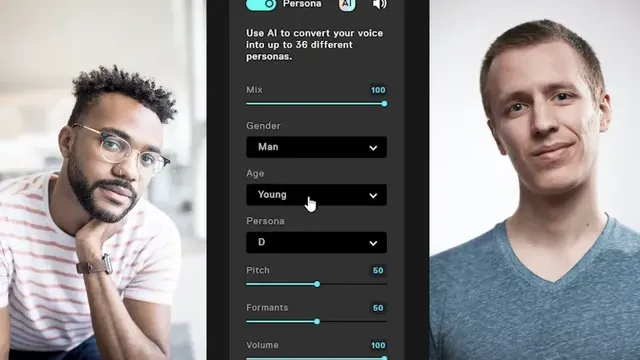
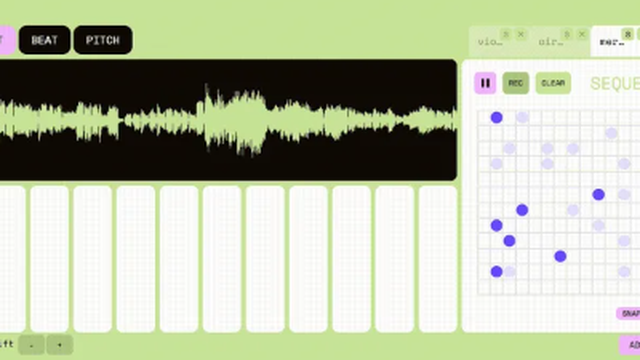
Beyond Dream Track, YouTube has built other Music AI tools to help users quickly create original compositions without traditional instrumentation. These tools can turn beatboxing into drum loops, hummed melodies into saxophone solos, singing into orchestral scores, and piano chords into vocal choirs - all generated by AI systems.
Selected participants in YouTube's Music AI incubator program will get to test these creation tools later in 2023. The music is synthesized using Lyria, an AI model developed by DeepMind, Google's AI subsidiary. Lyria adds an imperceptible digital watermark to AI-generated tracks, allowing identification even if the audio is modified.
YouTube's music AI rollout aims to establish norms around artificial intelligence creativity, while maintaining partnerships with major record labels. This has become an urgent issue, highlighted by the recent viral spread of a fake Drake track created through AI. In response, YouTube announced an agreement with Universal Music Group to collaboratively develop AI content policies.
The new creation tools represent YouTube's attempt to get ahead of the curve. While enabling new artistic possibilities with AI, the company wants to avoid legal complications and artist backlash over deepfakes. YouTube also doesn't want to completely antagonize prominent music companies who supply much of its audio content.
YouTube's guidelines prohibit impersonating others with AI without consent. The selective group of artists collaborating on Dream Track implicitly approve their musical styles being mimicked. However, unauthorized AI impersonations could still happen using YouTube's broader music creation tools.
AI-based music synthesis opens creative possibilities, but also risksENABLE AI creativity while protecting artists' interests. YouTube aims to strike this balance, but regulating usage of constantly-evolving technology poses an immense challenge. Critics argue that YouTube's approach is an ineffective piecemeal solution to stay on the music industry's good side.
But AI music has now reached a complexity matching human capabilities. Youtube believes ground rules must be established alongside the developers of the technology like DeepMind. Watermarking and guidelines may seem inadequate, but they represent an initial framework.
For now, YouTube is cautiously unveiling Music AI to creators in a limited capacity, while monitoring potential issues. Widespread societal debates lie ahead on AI's role in art. But for their part, YouTube hopes to prevent unauthorized mimicry and forge a symbiotic human-AI creative future.
More news
All news