The NYTimes vs. OpenAI Lawsuit: A Turning Point for AI?
The New York Times' lawsuit against OpenAI raises pivotal legal questions about AI's use of copyrighted materials, paralleling issues faced by platforms like Midjourney in visual arts. This case could significantly impact AI development, potentially limiting learning resources for AI systems and affecting their effectiveness and versatility for users, marking a critical juncture in the evolution of AI technology and its integration into daily life.
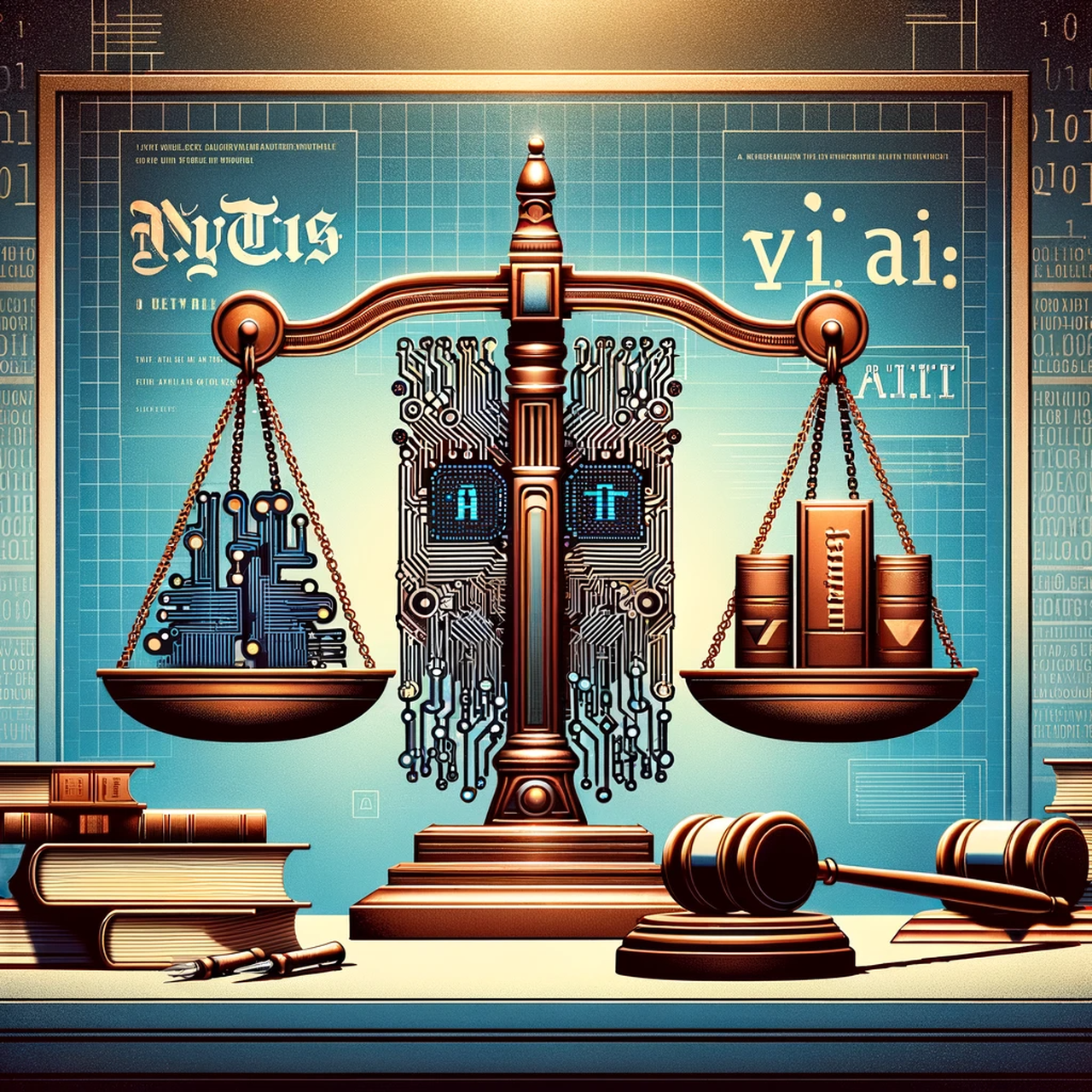
The New York Times' lawsuit against OpenAI brings to the forefront a crucial issue: Can AI legally use existing copyrighted materials for learning and development? In simpler terms, the case questions whether an AI, like a student learning from various sources, can freely absorb and utilize information from copyrighted articles and books. TheStreet's coverage of this lawsuit highlights how it challenges current norms in AI development and brings up new questions about the future of AI learning.
Broader Implications Beyond Text
This issue isn't confined to just articles and books. As Spectrum.ieee.org reports, the Midjourney platform, which uses AI to create visual art, faces similar questions. This case demonstrates that the debate extends to images and potentially other digital content, showing how wide-reaching the implications are.
What This Means for the AI Industry and Everyday Users
This lawsuit is more than a dispute between two entities; it's a critical moment for the entire AI industry. Its outcome could create new rules for how AI systems like ChatGPT learn from existing content. Imagine an AI being restricted like a student who's told they can't read certain books. This could lead to AI tools having less access to a variety of information, potentially making them less knowledgeable and versatile.
For the everyday user, this might mean that AI tools become less adept at understanding complex queries or generating diverse content. If media companies start demanding a share of profits or imposing fees for AI's use of their content, it could also affect the cost of AI services. In a broader sense, this case could change how we interact with AI, shaping its capabilities and the way it's integrated into our daily lives.
Beyond the Courtroom to Everyday Impact
Indeed, the NYTimes vs. OpenAI lawsuit is not just a legal battle; it's a pivotal moment that could redefine the landscape of AI development and its integration into our society. The decision could influence everything from how smart your virtual assistant can be, to the creativity and diversity of content AI can generate for you.
More news
All news